








Logger Sports
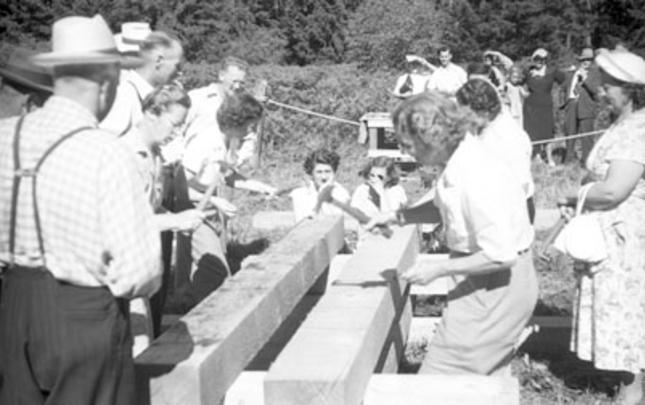
A long-standing tradition on Vancouver Island - beginning with log sawing competitions around 1910, and being continued now with Campbell River's Annual North Island Logger Sports - the largest logger sport competition in Canada for the last 5 years running.

Camp Life
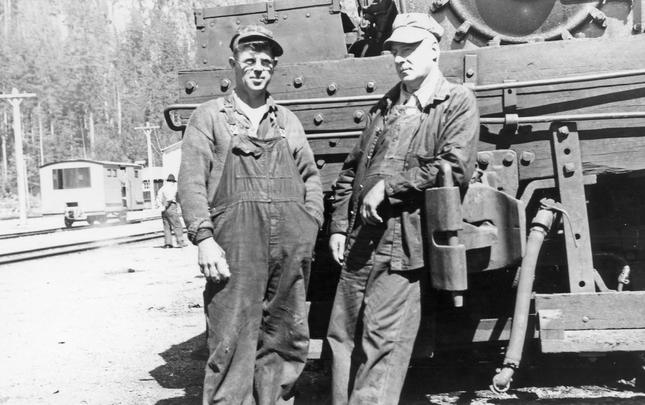
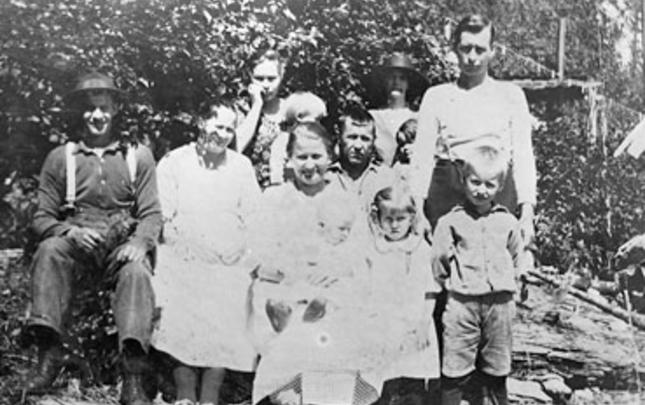
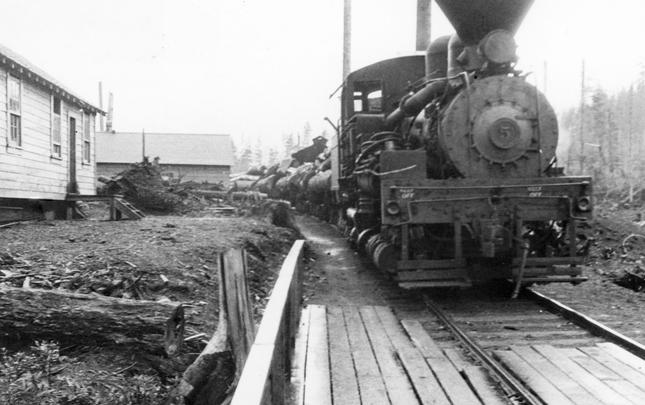
In the early years a camp was more than just a place for the men to work and sleep, but also a home for their children and families. Larger camps had family housing, schools for the children, and other such amenities.

Discovery Islands
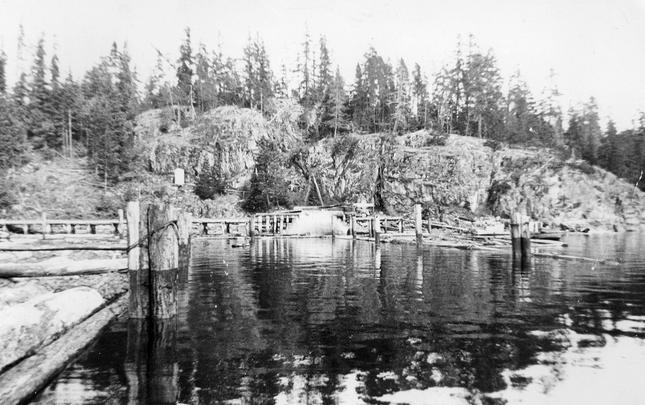
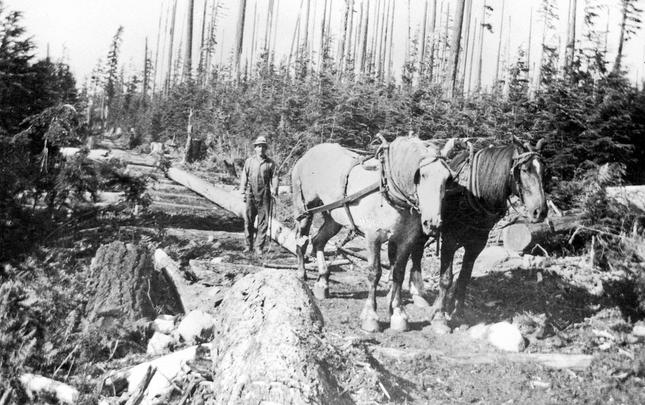
Logging in the area has not only included Vancouver Island itself, but also some of the smaller islands adjacent to it; including Cortes Island, Read Island, Sonora Island, West Redonda Island (Teakerne Arm), and others.

Menzies Bay
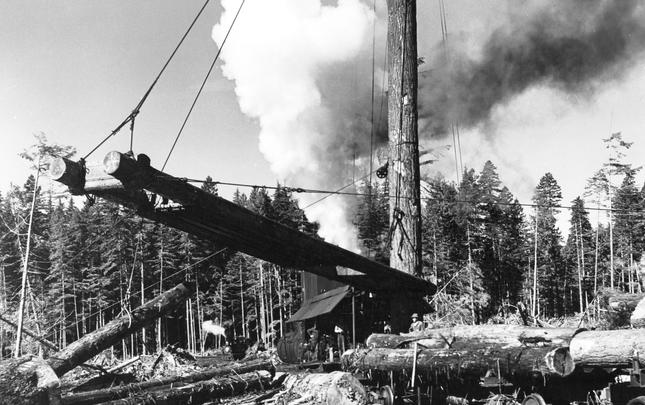
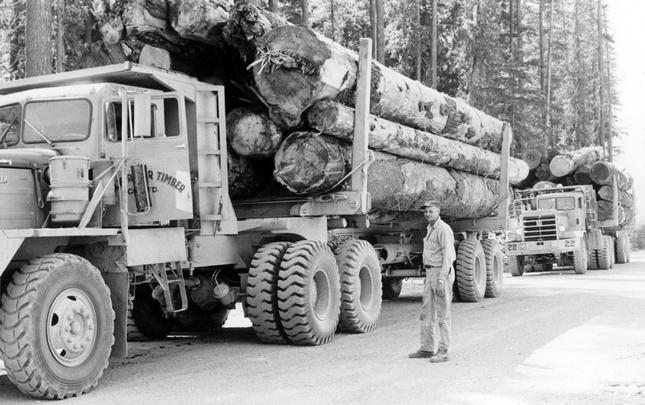
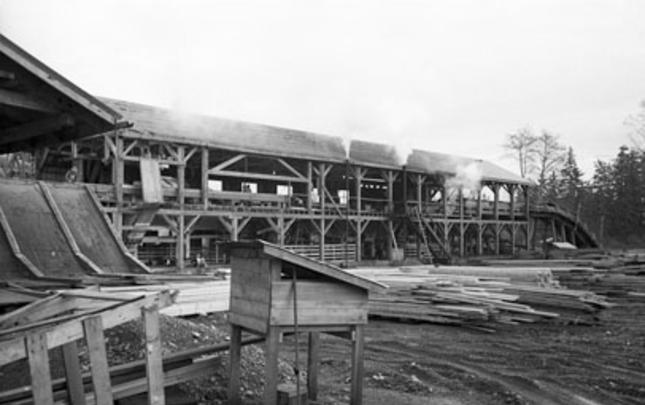
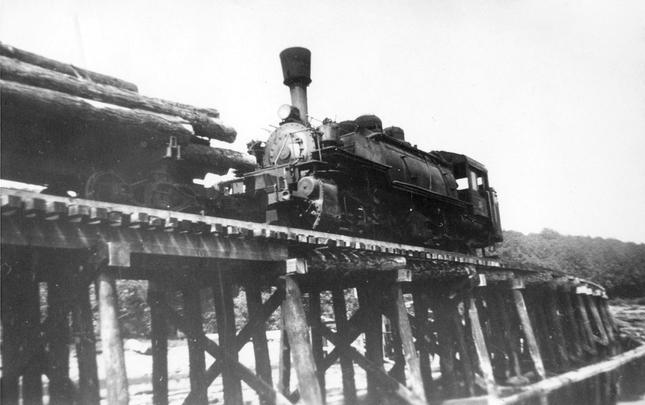
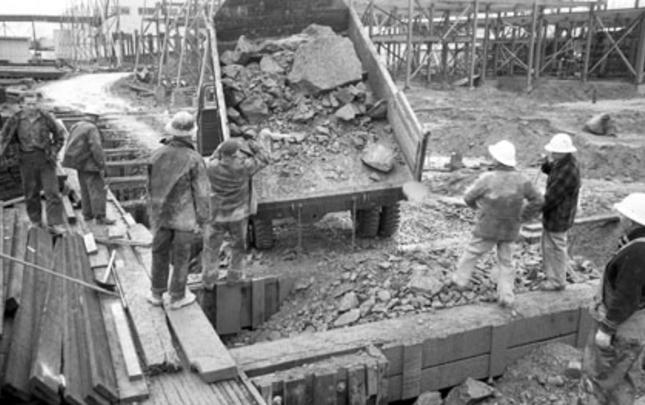
A variety of companies have logged in the Menzie's Bay area (just north of the city of Campbell River) over the years, including Lamb Lumber Co., Bloedel Stewart & Welch, MacMillan Bloedel, and Campbell River Timber Co.

Lumber World Review
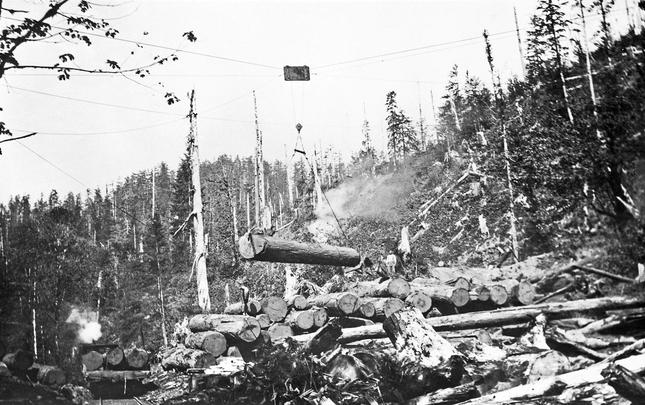
Dozens of pictures were taken for the 'Lumber World Review' magazine during a June, 1917 timber cruise along coastal BC by Clark and Lyford Ltd., the first forest engineering firm in British Columbia.
Copyright © - 2011 - Campbell River Museum Gallery - All Rights Reserved